 English
 Indonesia

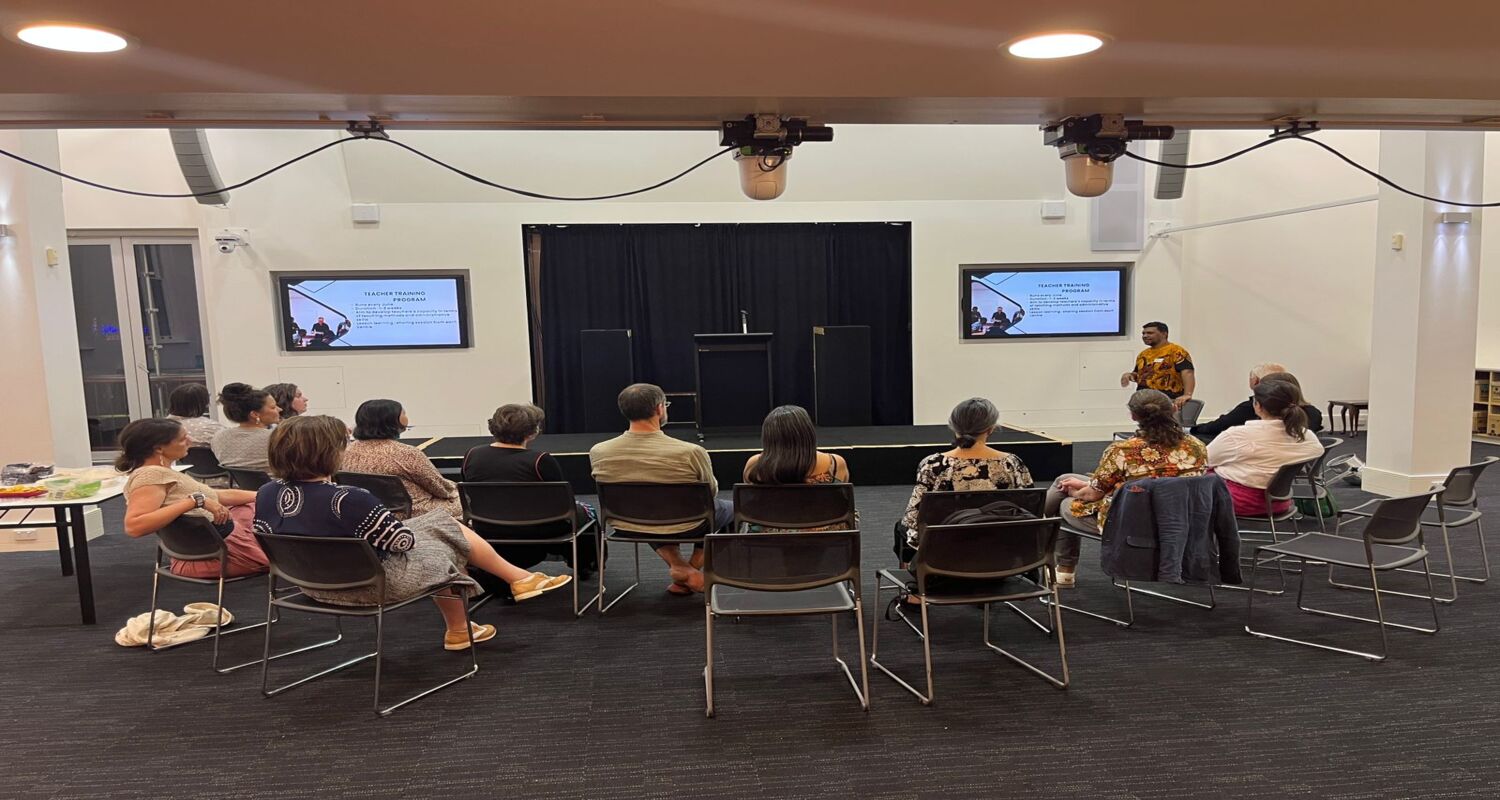
Adelaide, April 30, 2026 — In a simple room at The Exchange Conservation Council SA, Fred Bundah stood before a group of people eager to learn more about Papua. He did not come as an official or a celebrity. He came as a Papua native who happens to be pursuing a Master's degree at the University of Adelaide through an LPDP scholarship, and also as the Director of the Black Pearl Papua Foundation. The afternoon forum was organized by Grass Roots Consulting South Australia, and Fred was asked to speak candidly, without any embellishments.
Fred began his story honestly. Papua, he said, is a land that is rich yet full of paradoxes. The natural resources are abundant, but many children still struggle to access proper education. Schools in the villages often lack teachers, books, and even electricity. Some children have to walk for hours through muddy paths to get to class, and return before dark because there is no lighting on the road. Others have to stop attending school because their parents cannot afford it or because they have to help with family work in the fields. Not to mention the challenges of accessing healthcare, clean water, and the sometimes uncertain social situation in some regions. This, said Fred, is the real Papua, not the one on postcards.
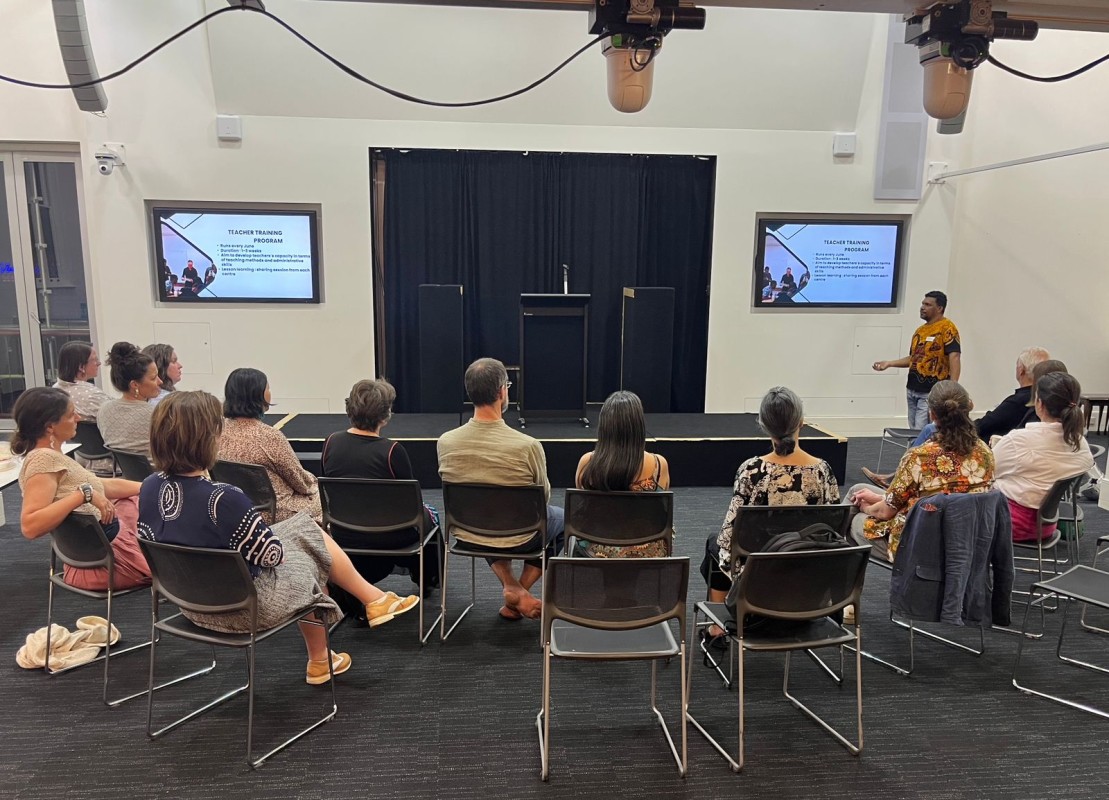
In the midst of such conditions, Black Pearl was born and has grown over the past 15 years. Fred shared that it started as a small English class with minimal equipment and teachers who taught with heart. Gradually, this class expanded into 17 learning centers spread across various regions of Papua. The main center is located in Nabire Regency, focusing on preparing Papuan children to compete for scholarships both domestically and abroad. Fred does not promise an easy road. He knows full well that for a Papuan child, the path to studying abroad is full of challenges, from language proficiency, lack of information, to the self-doubt that often becomes their biggest enemy.
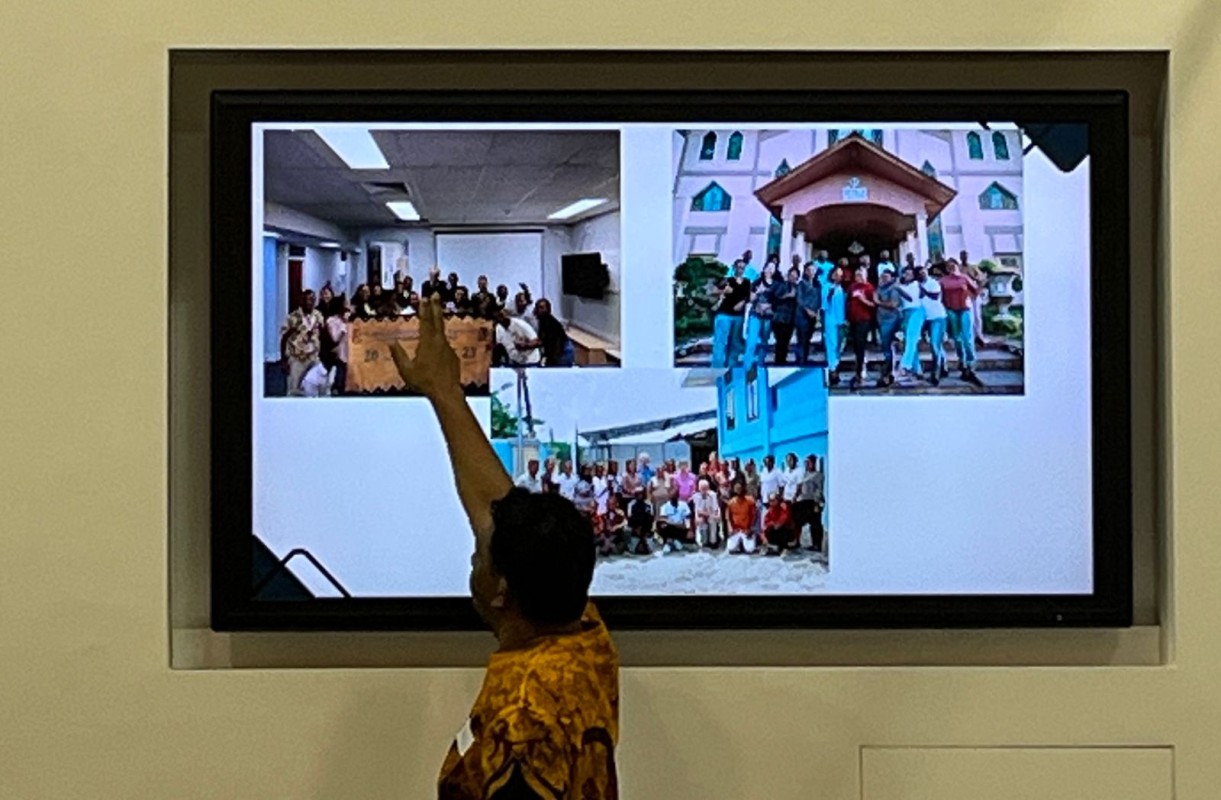
Besides language, Black Pearl also works on things that may seem simple but are very important on the ground, such as clean water programs and basic health initiatives. Fred explained that it is difficult to expect children to focus on learning when they still have to walk far to get water at home, or when they are frequently sick because of an unhealthy environment. Therefore, education, health, and basic needs must go hand in hand; none can be neglected.
Fred then shared the plans that are being prepared for the future. There is an entrepreneurship and business training program specifically for the indigenous children of Papua, as Fred wants the younger generation of Papua to not only be job seekers in their own land. There will also be a scholarship guidance program that will be strengthened so that more Papuan children can enter good universities, both domestic and abroad. Additionally, there are efforts to collaborate with volunteer teachers from Australia to come and teach directly in Papua, as well as a conversation partner program to connect native English speakers with Black Pearl teachers. Fred is aware that all these plans will not be easy and will not happen quickly. However, he believes that every small step still matters.
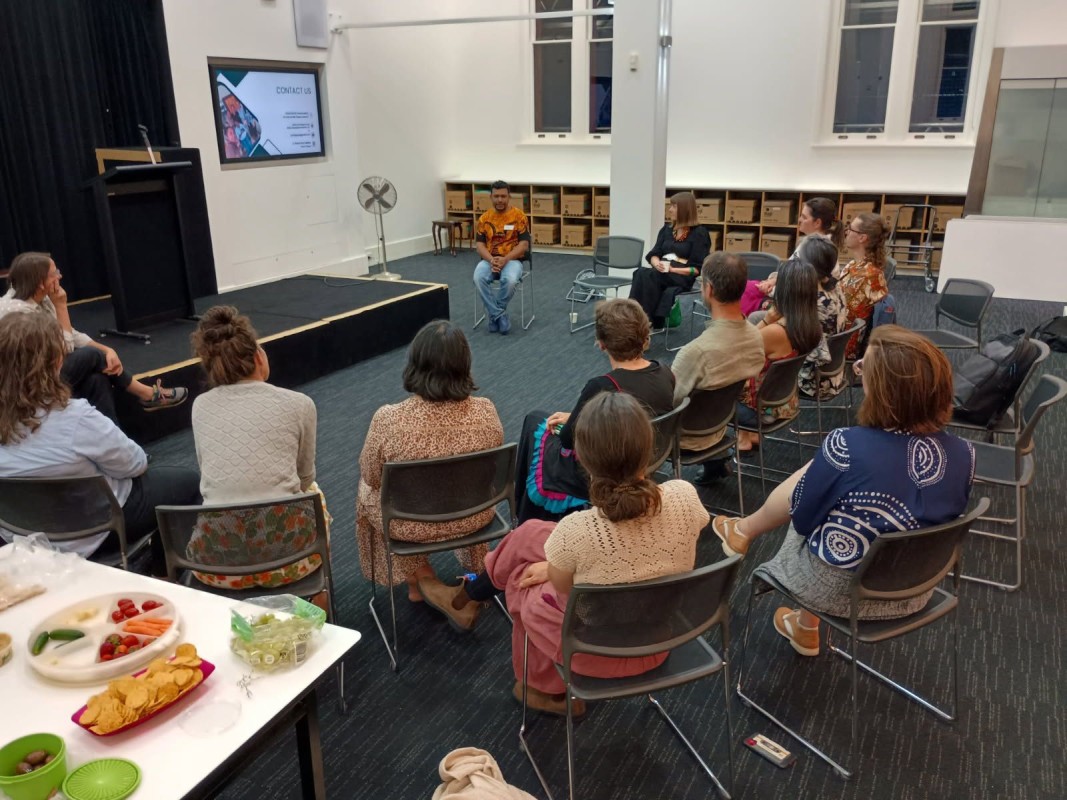
There is one thing that Fred emphasized sincerely that afternoon. Black Pearl would never have stood without the people who have faithfully supported it in Papua. He mentioned the church, especially GKI in Papua, which from the beginning opened its doors and provided space. He mentioned the simple parents, many of whom are farmers and fishermen, who continue to encourage their children to learn despite life being difficult. He also mentioned the village communities that have helped, prayed, and believed. Without them, Fred said, Black Pearl would just be a name on paper.
The forum participants listened attentively. Many of them might have heard a more complete picture of Papua for the first time, not just the news on TV. After Fred finished speaking, one by one, they began to respond. Some offered to become conversation partners for the Papuan children. Some seriously considered coming to teach in Papua as volunteer teachers. Others offered their expertise in fields such as artificial intelligence, community work, health, science, and other areas to help strengthen the capacity of Black Pearl’s staff and teachers. These offers were made humbly, without any condescending tone, and Fred accepted them with gratitude and responsibility.
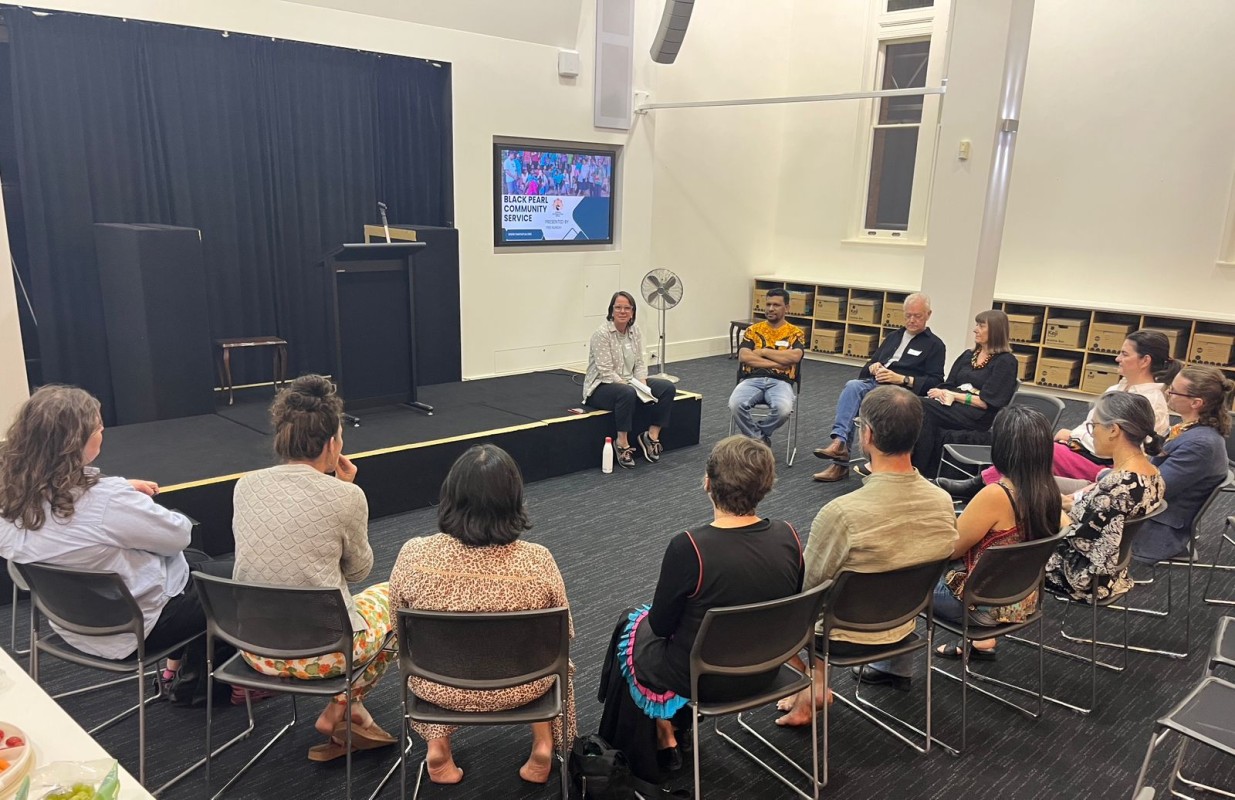
For the Papuan children who might one day read this writing, there is one message that Fred wants to convey honestly. Your journey is indeed not easy. Conditions in the villages may still be far from ideal, facilities are limited, and sometimes you feel that the world is moving too fast while you are being left behind. It’s not your fault. But know that on one afternoon in Adelaide, there were people who just learned about your struggles and chose to care. Also look at Fred, who grew up with challenges that might not be so different from what you are facing now, but he kept moving forward, one English class, one exam, one scholarship at a time, until he was finally able to study at the University of Adelaide and think of you from there. Dreams don’t have to be big from the start. They can begin with small things, like diligently studying in Black Pearl classes, being brave enough to try speaking in English even though it’s still broken, or refusing to give up when life feels hard.
Fred Bundah will return to his classroom in Adelaide, continuing his studies while monitoring the progress of Black Pearl in Papua. That afternoon's forum did not solve all of Papua's problems, and Fred never promised that it would. But he took something valuable with him, which is a new network, sincere attention, and the belief that the Black Pearl Papua Foundation is growing into a more mature and professional local institution, able to build equal working relationships with international partners while still being grounded in its own land and communities. That is more than enough for one afternoon in Adelaide. The rest, the work awaits in Papua, in simple classrooms, in faraway villages, in the hands of children who are learning to believe that their future is worth fighting for.

Add New Comment