 English
 Indonesia
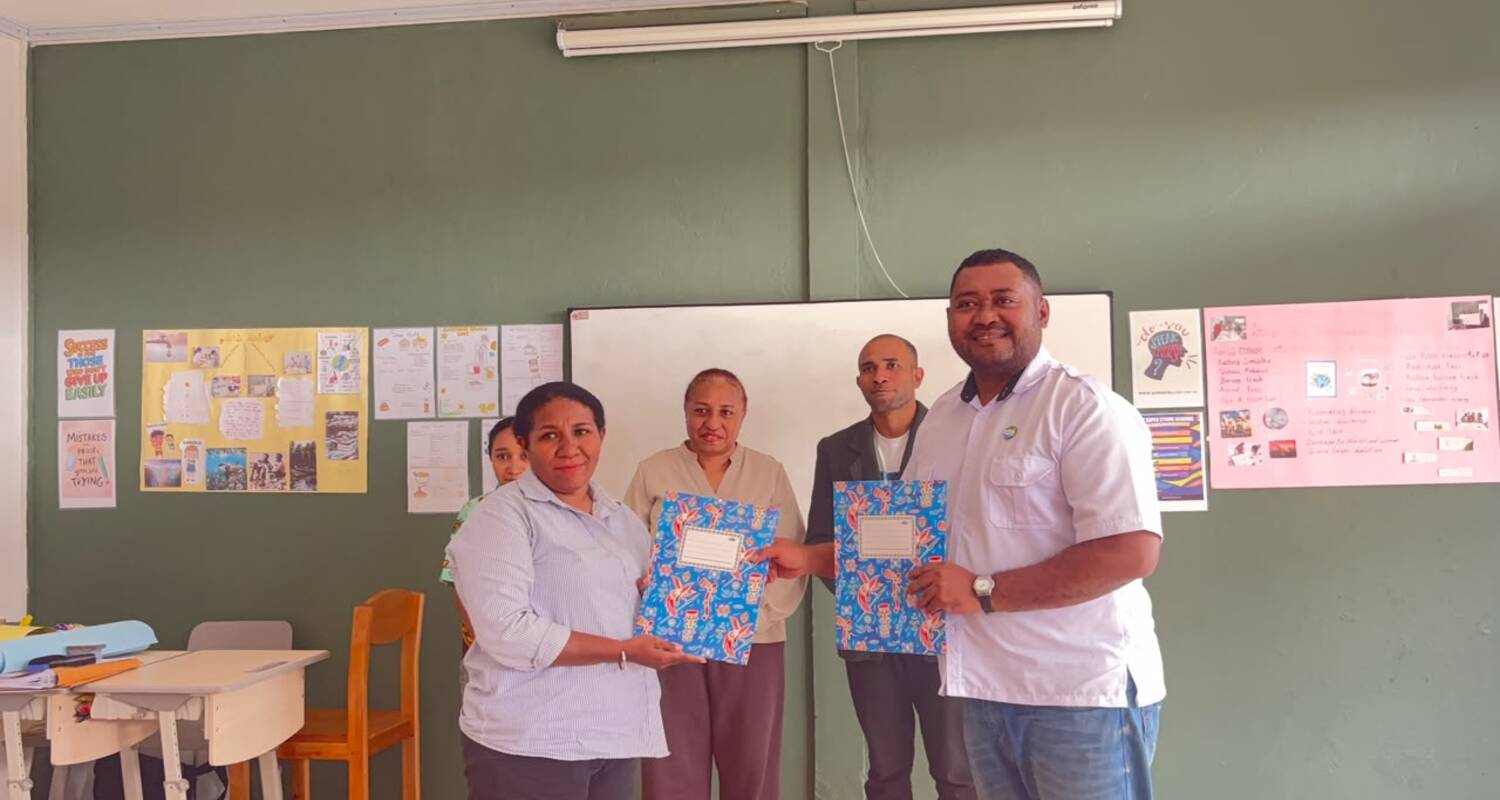
Nabire, September 15, 2026 – Yayasan Mutiara Hitam Papua (YMHP) continues to strengthen its clean water initiatives for communities across Papua through a research collaboration with the Bachelor’s Program in Aquatic Resources Management (MSP), Faculty of Fisheries and Marine Sciences, Universitas Satya Wiyata Mandala (USWIM) Nabire.
The Memorandum of Understanding (MoU) signing ceremony was held on Tuesday, September 15, 2026, at the YMHP Headquarters in Sanoba Pantai, Nabire District, Central Papua Province.
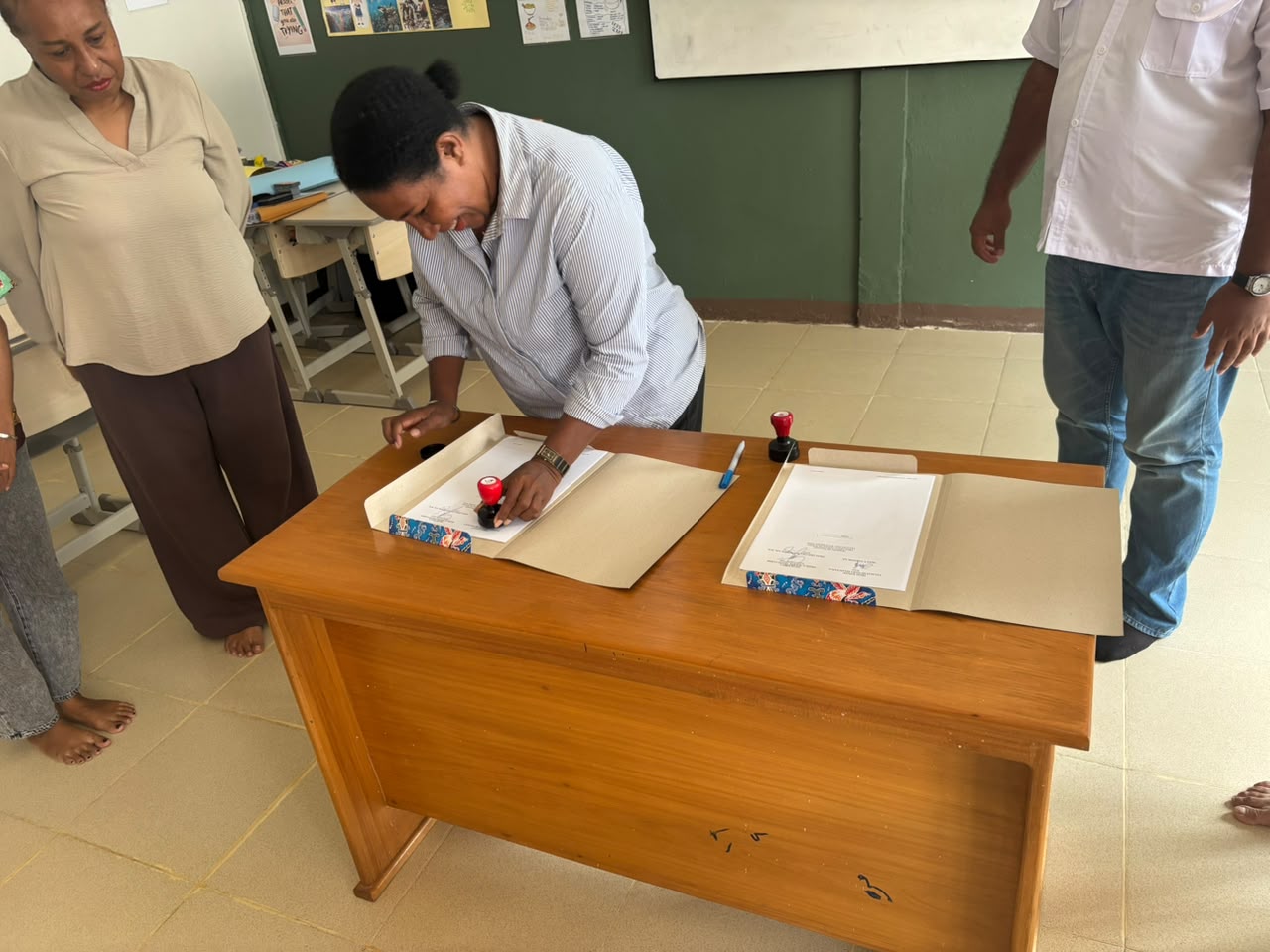
According to the Foundation's Supervisory Board, Ibu R. Kafiar, M.KP. The agreement was signed by YMHP Chairperson Mina V. Sarwom, S.P., and Head of the MSP Undergraduate Program at USWIM’s Faculty of Fisheries and Marine Sciences, Frits Aripatra Maitindom, S.Pi., M.Si., with the approval of the Dean of the Faculty of Fisheries and Marine Sciences, USWIM.
The partnership is expected to expand opportunities for research funding from various partners and academic institutions, both nationally and internationally. YMHP’s clean water program has so far received support from Black Pearl Network Australia.
To strengthen accountability and provide greater confidence for donors and partners, YMHP is developing itself as a community and village-based research initiator. Through collaboration with higher education institutions, each program implemented by the foundation will be supported by credible scientific data that can be responsibly reported to stakeholders.
One of YMHP’s flagship programs is clean water training through the implementation of the First Flush System. This simple technology separates the initial flow of rainwater from rooftops before it enters storage tanks. The first rainwater runoff usually carries dust, dirt, and other contaminants accumulated on roof surfaces. By diverting this initial flow, the collected rainwater can become cleaner and safer for community use.
Through this collaboration, the quality of harvested rainwater will be tested before and after the implementation of the First Flush System. The research will also map clean water sources in program villages and identify potential contamination risks. The findings will provide scientific evidence on the effectiveness of the program while serving as a reporting foundation for supporting partners.
Beyond clean water initiatives, the natural resources and coastal ecosystems of Nabire represent another important area for future collaboration. Nabire has an extensive coastline, mangrove ecosystems, seagrass beds, and coral reefs, and is located near the waters of Teluk Cenderawasih National Park, an area known as a habitat for whale sharks.
These coastal resources hold significant potential for food security, local protein sources, and sustainable livelihoods for coastal communities. However, Nabire’s coastal areas also face challenges, including coastal erosion and mangrove degradation in several locations. Scientific data is therefore needed as a foundation for sustainable coastal management.
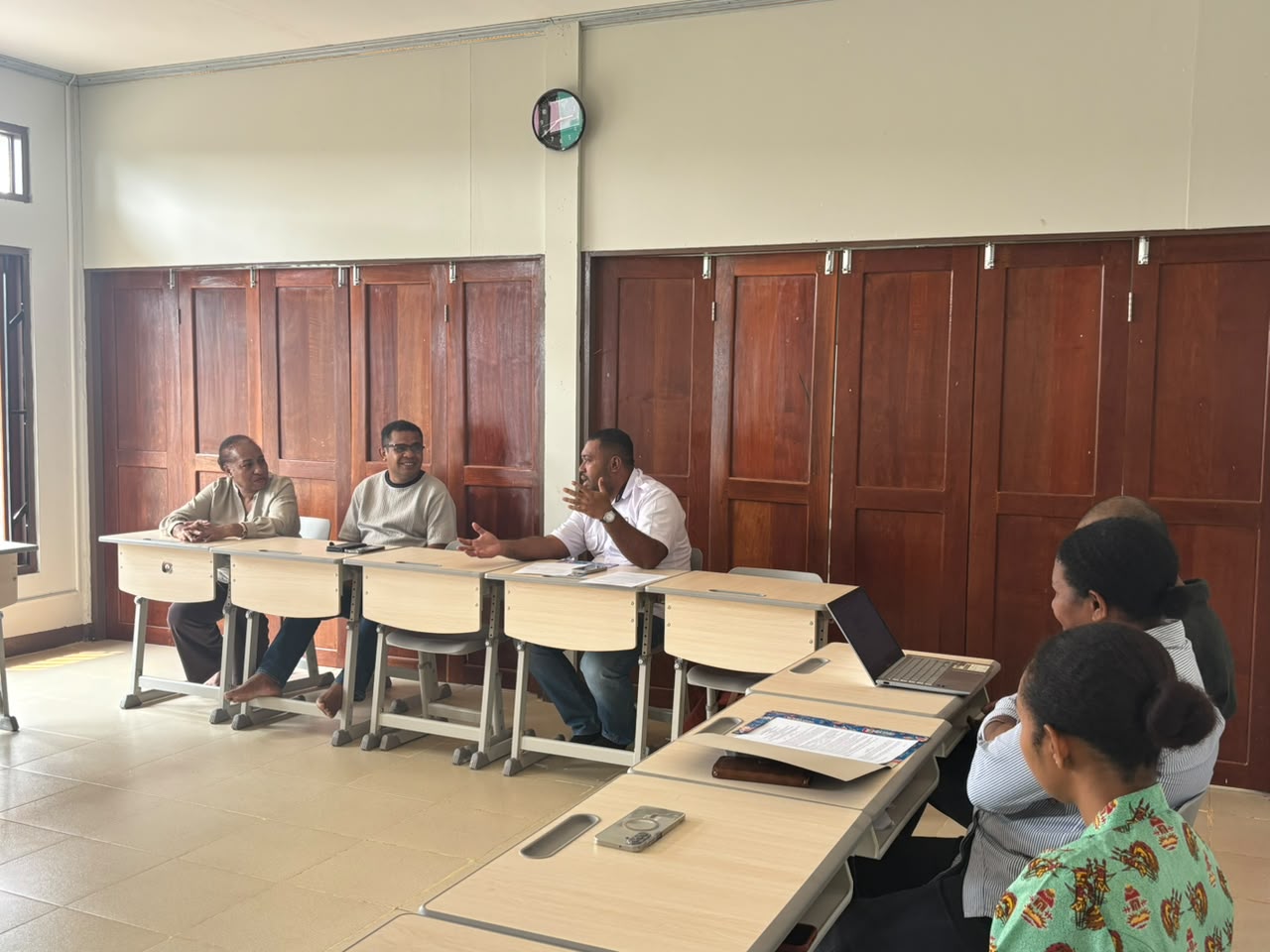
The MoU creates opportunities for broader research collaboration in these areas. The scope of cooperation includes socio-economic studies of fishing communities, assessments of mangrove, seagrass, and coral reef ecosystems, as well as community-based fisheries management involving indigenous communities.
Several proposed priority research themes include studies on mangrove and seagrass conditions and their impacts on small-scale fisheries, nutritional analysis of local Papuan fish species to support children’s protein intake, food safety assessments of aquatic products related to microbiological contamination and heavy metals, household-scale aquaculture opportunities, and the role of sasi as a traditional practice for protecting aquatic resources.
Research in these fields is expected not only to support coastal conservation efforts but also to contribute to food security and efforts to prevent stunting through locally sourced nutrition.
YMHP does not operate its own research division and therefore requires collaboration with credible academic partners. Under this partnership, YMHP will provide research funding and facilitate access to local communities, while the MSP Program at USWIM will provide academic experts, students, laboratory facilities, and scientific testing methods.
USWIM will be fully responsible for ensuring the validity of research data and conclusions. USWIM students will also be involved through undergraduate theses, fieldwork programs, internships, and community service programs, allowing young Papuans to gain experience in managing and understanding their own aquatic resources.
Both parties agreed that all research activities must respect customary values and community rights. Before collecting samples or other forms of data, researchers must obtain permission from village authorities and receive informed consent from indigenous communities holding customary land and resource rights.
The collection of water, sediment, and biological samples will be conducted responsibly, using only necessary amounts while minimizing potential impacts on ecosystems. Research results must be returned to communities, at minimum through summaries and practical recommendations presented in language that is accessible and easy to understand.
Through this collaboration, YMHP and USWIM hope to establish a stronger foundation for science-based community development, sustainable resource management, and improved access to clean water for communities throughout Papua.

Add New Comment